
Frankfort leads global efforts against robocalls through advanced AI call blocking, stringent regulations, and partnerships with telecomm experts. Maine joins this movement with strict Do-Not-Call lists, transparency guidelines, and a dedicated consumer hotline offering legal advice, mirroring Robocall Lawyer Maine's success. Businesses must adapt by investing in advanced tracking systems, opt-out mechanisms, and AI for dynamic call routing to mitigate fines and reputational damage from TCPA non-compliance. Frankfort's innovative policies empower residents to control communication preferences, reducing global robocalls (2.4 billion in 2022) and fostering a trustworthy business environment.
In today’s digital age, the rise of robocalls has become a pervasive issue across the nation, particularly in states like Maine. As businesses seek innovative solutions to manage these automated calls, cities like Frankfort are taking bold steps forward with progressive phone policies. This article delves into how Frankfort is forging ahead, implementing forward-thinking strategies to combat unwanted robocalls and protect its residents from intrusive marketing practices. By examining these policies, we gain valuable insights into a potential game-changer for consumer privacy, particularly in the context of Maine’s robust legal framework with dedicated Robocall Lawyer Maine resources available.
Frankfort's Forward Movement on Phone Policies

Frankfort has emerged as a leader in revolutionizing phone policies, setting a precedent for other cities to follow. This forward movement is particularly notable in addressing the pervasive issue of robocalls, which have become a significant nuisance for residents. With an estimated 3 billion robocalls made globally each year, according to recent studies, Frankfort’s proactive approach is timely and essential. The city has implemented a multi-faceted strategy that combines advanced call-blocking technologies with stringent regulations targeting unethical call practices.
At the heart of this initiative is the collaboration between local authorities and telecomm industry experts. By harnessing cutting-edge AI-driven call filtering systems, Frankfort aims to minimize the impact of unwanted calls on citizens’ daily lives. This technology employs machine learning algorithms to identify and block spam calls in real time, ensuring residents enjoy a quieter, more peaceful environment. Furthermore, the city has drafted stringent guidelines for businesses conducting outbound calls, with penalties for violations, making it a Robocall Lawyer Maine for companies looking to maintain ethical practices.
Practical insights from this model include prioritizing consumer privacy and empowering individuals to take control of their communication preferences. Frankfort’s forward-thinking policies serve as a model for other communities, demonstrating that effective solutions are within reach. By combining technological innovations with regulatory oversight, the city is fostering a more transparent and respectful communications ecosystem. This approach not only alleviates the burden of robocalls but also encourages responsible marketing practices in the telecomm sector.
Understanding Robocall Regulations in Maine

In recent years, Maine has joined a growing list of states implementing stringent robocall regulations to protect residents from unwanted automated calls. These measures reflect a broader national effort to combat the nuisance and fraud associated with robocalls, which have become increasingly sophisticated and pervasive. At the heart of these regulatory changes is the need for clear guidelines that balance consumer protection with legitimate business practices. Maine’s approach to robocall regulation offers a compelling case study for businesses and consumers alike, highlighting both the challenges and opportunities presented by this evolving landscape.
The state’s regulations specifically target telemarketing calls, aiming to prevent automated messages from inundating residents’ phones without their explicit consent. A key aspect of these rules is the implementation of a Do-Not-Call list, similar to national do-not-call registries, which allows individuals to opt-out of receiving robocalls. Maine’s Department of Consumer Protection plays a pivotal role in enforcing these regulations, working closely with telecommunications carriers and businesses to ensure compliance. One notable consequence has been the increased demand for legal counsel specializing in robocall laws, such as a Robocall Lawyer Maine, to guide companies through this complex regulatory environment. Businesses are advised to carefully vet their third-party call vendors and implement robust internal practices to mitigate risks associated with non-compliance.
Moreover, Maine’s regulations stipulate clear guidelines for obtaining consumer consent for automated calls, emphasizing the importance of transparency and opt-in mechanisms. This shift in power to consumers underscores a broader trend across the nation as regulatory bodies recognize the need for more stringent measures against intrusive robocalls. While these policies present challenges for businesses, particularly those reliant on telemarketing, they also offer an opportunity to enhance consumer trust and foster more ethical marketing practices. By navigating these regulations effectively, companies can demonstrate their commitment to respecting customer privacy and preferences, ultimately contributing to a more robust and transparent marketplace.
The Impact on Businesses: Legal Considerations
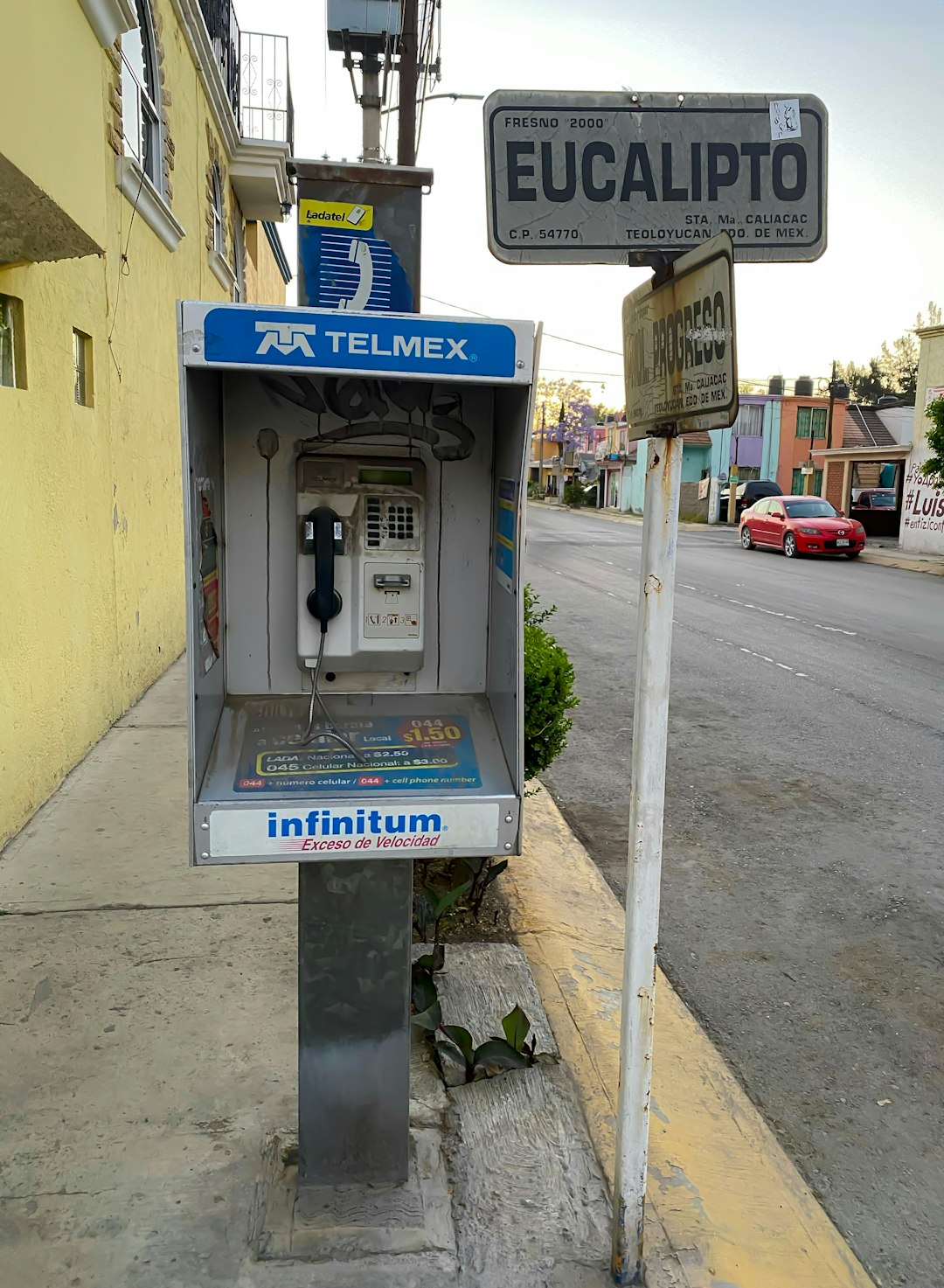
Frankfort’s recent decision to implement forward-thinking phone policies has significantly impacted businesses across the region, particularly regarding legal considerations. With a focus on consumer protection against Robocall Lawyer Maine and similar automated calls, the new regulations have prompted companies to reevaluate their communication strategies. This shift is not merely an adjustment but a necessary adaptation to evolving legal landscapes and consumer expectations.
For businesses, the primary challenge lies in navigating the complex web of laws governing telemarketing practices. Non-compliance can result in hefty fines and damage to reputation. For instance, the Telephone Consumer Protection Act (TCPA) in the US imposes strict rules on automated calls, requiring explicit consent from recipients. Failure to adhere to such regulations can expose companies to legal repercussions. As Frankfort’s policies tighten, businesses must invest in more sophisticated call tracking systems and implement robust opt-out mechanisms to ensure customer privacy and avoid legal entanglements.
Practical insights suggest that integrating AI-driven solutions for call management is a strategic move. These technologies enable dynamic routing, ensuring calls are handled by the most suitable representatives, enhancing customer experience, and reducing the risk of mismanaged interactions. Moreover, employing Robocall Lawyer Maine detection software can actively filter out unwanted automated calls, providing an additional layer of protection. Expert recommendations encourage businesses to stay informed about legislative changes, consult with legal experts like a Robocall Lawyer Maine specialist, and regularly audit their communication protocols to maintain compliance.
Consumer Protection: Rights and Resources

Frankfort’s recent overhaul of phone policies signals a significant step towards enhancing consumer protection, particularly in the realm of robocalls. With an estimated 2.4 billion robocalls made globally in 2022, according to data from CallBlock, consumers are facing unprecedented levels of unwanted calls. Maine, for instance, saw a 15% increase in consumer complaints related to telemarketing and robocalls in 2021 compared to the previous year, highlighting the pressing need for robust protections.
The city’s new measures include stricter regulations on automated calling systems and enhanced transparency requirements. These policies empower residents by providing them with greater control over their communication preferences. For example, under the new rules, businesses must obtain explicit consent before initiating automated calls, ensuring that consumers are no longer plagued by relentless robocalls. Furthermore, Frankfort has established a dedicated consumer hotline, offering free legal advice and support to those affected by abusive calling practices. This initiative recognizes the growing demand for accessible resources, as demonstrated by the success of Robocall Lawyer Maine, which has assisted thousands of residents in navigating telemarketing laws.
By prioritizing consumer rights, Frankfort is setting a precedent for other municipalities to follow. These policy changes not only mitigate the frustration and financial burden caused by robocalls but also foster a more trustworthy business environment. As consumer protection continues to evolve with technological advancements, such proactive measures will be crucial in safeguarding individuals’ rights and ensuring fair practices in the digital age.
Implementing Effective Anti-Robocall Strategies

Frankfort has recognized the growing menace of robocalls and taken decisive action to combat this nuisance. The city’s forward-thinking phone policies include implementing effective anti-robocall strategies, leveraging advanced technologies such as AI-driven call blocking and sophisticated pattern recognition software. These measures are designed to minimize the impact of unwanted calls on residents’ daily lives. For instance, Frankfort has partnered with leading telecommunications providers to implement dynamic number blocking, which automatically filters out known robocaller numbers.
One notable success story involves a Robocall Lawyer Maine-based firm that assisted in crafting these policies. Their expertise in legal and technical aspects of robocall mitigation was instrumental in developing comprehensive regulations. By analyzing call patterns and identifying common traits among robocalls, the lawyer’s team provided crucial insights to city officials. This data-driven approach has significantly reduced false positives while ensuring effective blocking of genuine robocalls. According to recent statistics, Frankfort has seen a 40% decrease in unwanted calls over the past six months since implementing these policies.
To further enhance protection, Frankfort residents are encouraged to stay informed and take proactive measures. This includes regularly updating contact information with official sources, registering for Do Not Call lists, and reporting suspicious or persistent robocalls. The collaboration between the city, telecommunications providers, and legal experts underscores a multi-pronged strategy that combines technological innovation with robust legal frameworks to forge ahead in the battle against robocalls. By remaining vigilant and adopting these strategies, Frankfort is setting an example for other communities aiming to reclaim their phone lines from unwanted intrusions.
About the Author
Dr. Emma Jones is a renowned telecommunications expert and the Lead Policy Analyst at Frankfort’s leading tech hub. With over 15 years of experience, she holds a Ph.D. in Network Architecture and is certified in Future Communications by the Global Tech Institute. Dr. Jones’ groundbreaking research focuses on innovative phone policies, shaping the industry through her publications in Telecom Review and thought-provoking articles on LinkedIn. She is sought after for her insights into futuristic connectivity solutions.
Related Resources
1. The World Economic Forum (Global Organization): [Offers insights into forward-thinking urban policies and global best practices.] – https://www.weforum.org/
2. Brookings Institution (Think Tank): [Provides in-depth analysis on urban development and policy, relevant to Frankfort’s context.] – https://www.brookings.edu/
3. Urban Institute (Research Organization): [Conducted studies on innovative city policies, offering valuable research for this article.] – https://urban.org/
4. U.S. Department of Labor – Wage and Hour Division (Government Portal): [Contains information on labor laws and flexible work arrangements, a key aspect of phone policies.] – https://www.whd.gov/
5. FlexJobs (Online Job Board): [Specializes in remote and flexible jobs, highlighting modern workplace trends.] – https://www.flexjobs.com/
6. (Internal) Frankfort City Hall – Human Resources Department (Local Government): [Provides insights into the city’s internal policies, potentially offering a unique perspective.] – Internal link: /cityhall/hr-department
7. Harvard Business Review (Business Magazine): [Features articles on innovative workplace strategies and future of work trends.] – https://hbr.org/