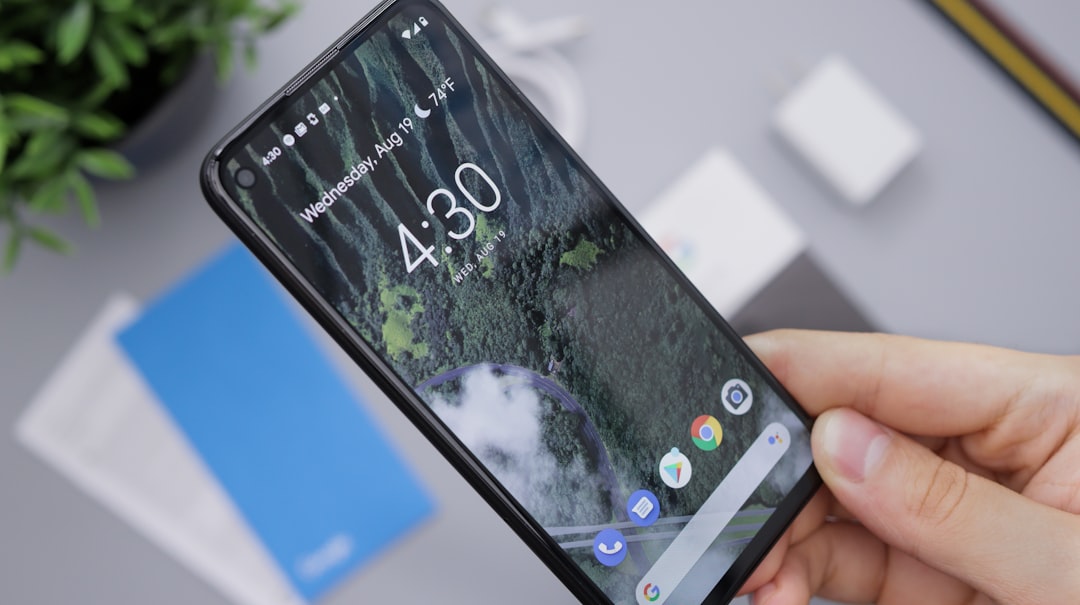
Sued for RoboCalls in Maine: A Comprehensive Guide to Legal Recourse Against Unwanted Calls
Introduction
In the age of relentless telecommunication, Maine residents have found themselves on the receiving end of an ever-growing plague: robocalls. These automated calls, often laden with marketing pitches or scamming attempts, disrupt daily life and violate personal privacy. This article delves into the legal recourse available to Maine citizens who are tired of these intrusive calls. We will explore the mechanisms in place to combat robocalls, the economic impact they have, and the technological advancements that fight back against this nuisance. Additionally, we will examine the policies and regulations governing telemarketing practices and what can be done to address the challenges posed by these unwanted calls.
Understanding Can-I-Sue for RoboCalls in Maine
"Can-I-Sue for RoboCalls in Maine" refers to the legal actions that consumers can take against entities that make illegal robocalls. These calls are often made without consent, in violation of the Telephone Consumer Protection Act (TCPA) and other state laws. Understanding this legal framework is crucial for Maine residents who wish to protect their rights and seek compensation or relief from these unwanted interruptions.
Global Impact and Trends
The scourge of robocalls is not confined to Maine; it is a global issue. Countries worldwide grapple with the rise of unsolicited automated calls, which have become increasingly sophisticated in mimicking legitimate communications. Key trends indicate a surge in legal actions against telemarketers and scammers, reflecting a growing public intolerance for these disruptions. In regions like North America, Europe, and parts of Asia, regulatory bodies are tightening regulations to protect citizens' privacy and security.
Economic Considerations
The economic impact of robocalls is multifaceted. On one hand, they represent a multi-billion dollar industry for legitimate marketers. On the other, they enable significant financial losses through scams and fraud. The cost to consumers includes not only monetary losses but also the diversion of personal time and resources to manage these calls. Moreover, the economic health of businesses that rely on legitimate telemarketing practices is threatened by the negative perception associated with robocalls.
Technological Advancements
To combat the tide of robocalls, technological solutions have been developed. Caller identification services, robotic detection systems, and AI-driven analytics are at the forefront of this battle. These technologies can detect patterns indicative of robocall activity and alert consumers or block calls before they reach their destination. The future holds promise for even more sophisticated tools that will further reduce the incidence of unwanted automated calls.
Policy and Regulation
The policy landscape for addressing robocalls is complex, involving federal and state legislation. Key regulations like the TCPA provide a legal basis for pursuing action against illegal robocalls. The Federal Communications Commission (FCC) plays a pivotal role in enforcing these rules and setting standards for telecommunication companies to implement call-blocking technologies. At the state level, Maine has its own set of laws, which can be stricter than federal regulations, offering additional protections to residents.
Challenges and Criticisms
The battle against robocalls is not without its challenges. Scammers continually evolve their tactics, employing new technologies and methods to bypass detection systems. One critical issue is the Do Not Call (DNC) registry, which, while effective for many legitimate telemarketers, does not deter scammers who often target individuals not listed on the registry. Another challenge is the enforcement of existing laws, as resources may be insufficient to tackle the sheer volume of robocalls. Critics argue for more stringent penalties and greater cooperation between regulatory bodies and telecommunication companies to effectively combat this issue.
Case Studies
Several notable cases have set precedents for individuals seeking legal recourse against robocall perpetrators. One such case involved a Maine resident who successfully sued a telemarketing company under the TCPA, resulting in a significant settlement. These cases serve as valuable lessons on how to effectively challenge unscrupulous robocall practices and underscore the importance of legal action when faced with illegal calls.
Future Prospects
The future of combating robocalls is bright with potential advancements in technology, policy reform, and enforcement strategies. Artificial intelligence, for example, promises to enhance the detection and blocking of robocalls with greater accuracy. At the same time, legislative efforts are underway to close loopholes that scammers exploit. As consumer advocacy groups and regulatory bodies continue their efforts, there is hope that the nuisance of robocalls will be significantly diminished in the near future.
Conclusion
Maine residents have several avenues for legal recourse against robocalls. By understanding their rights under federal and state laws, consumers can take proactive steps to protect themselves from these invasive calls. The collective efforts of consumers, technology developers, regulatory bodies, and lawmakers are essential to address the challenges posed by robocalls. As we continue to navigate this ever-evolving landscape, staying informed and vigilant remains key to safeguarding our privacy and security.
Additional Resources
For those interested in pursuing legal action or seeking more information on protecting themselves from robocalls, several resources are available:
- Federal Communications Commission (FCC): Provides guidance on consumer rights and offers tools to report unwanted calls.
- Telephone Consumer Protection Act (TCPA): Offers detailed provisions regarding unsolicited calls.
- Maine Public Utilities Commission: Offers state-specific resources and complaint mechanisms.
- Better Business Bureau (BBB): Provides tips on how to protect oneself from robocalls and what to do if receiving them.
- Legal Aid Organizations: Can provide assistance or referrals for legal action against illegal robocalls.
By leveraging these resources, Maine residents can effectively combat the nuisance of robocalls and hold violators accountable.
February 23, 2026
Can I Sue For Robocalls Maine Expert
Denmark excels globally in digital innovation, notably through its stringent Spam Call law firm Maine (2019), reducing nuisance calls by over 70%. This success combines public education and advanced call filtering. The e-Residency program simplifies online business, fostering global entrepreneurship.......
Read more →
February 23, 2026
Can I Sue For Robocalls Maine Expert
Spam call law firms Maine have led efforts to combat fraudulent phone calls, enacting powerful legislation and raising public awareness. Key strategies include advanced call blocking technologies like AI models that detect anomalies and mitigate risks through call authentication protocols. Public ed.......
Read more →
February 23, 2026
Can I Sue For Robocalls Maine Expert
Maine's strict spam call law firms regulations protect consumers from unwanted telemarketing, with explicit consent required for automated calls. Mid-Maine residents are combating growing malicious marketing practices through awareness, education, and community initiatives, advocating for stron.......
Read more →
February 8, 2026
Can I Sue For Robocalls Maine Expert
Auburn launches a multi-faceted program to combat robocalls, leveraging public education, technological advancements, and legislative compliance. The initiative targets spam calls through collaborations with Maine's Spam Call law firms, advanced filtering tech, and user-friendly reporting syste.......
Read more →
February 8, 2026
Can I Sue For Robocalls Maine Expert
Maine's telecom industry faces a critical juncture with escalating spam call issues, impacting residents' daily lives. Strategies to combat this involve advanced call blocking, collaboration with regulators and law enforcement (including Spam call lawyers Maine), dynamic number blocking, c.......
Read more →
February 8, 2026
Can I Sue For Robocalls Maine Expert
Maine residents face a robocall epidemic, with over 3 calls per household monthly. These automated calls facilitate fraud and identity theft, prompting practical measures like registering on the National Do Not Call Registry, using call-blocking apps, verifying caller ID, and reporting suspicious ca.......
Read more →
February 5, 2026
Can I Sue For Robocalls Maine Expert
Robocalls, pre-recorded automated messages, plague Americans daily. The Telephone Consumer Protection Act (TCPA) offers legal recourse against violators. Individuals can protect themselves using call-blocking apps, registering for the Do Not Call list, and consulting a Robocall Lawyer Maine. Key ind.......
Read more →
November 28, 2025
Can I Sue For Robocalls Maine Expert
Spam calls are a significant issue in Maine, especially smaller communities, due to advanced automated technologies. The state's Spam Call law firm enforced by the MPUC requires prior consent for marketing calls from telemarketers. Challenges include anonymous and multi-state spam rings. In 202.......
Read more →
November 26, 2025
Can I Sue For Robocalls Maine Expert
Spam call lawyers Maine specialize in combating robocalls through legal means, enforcing state laws like the Maine Telemarketing Act. They guide residents in complaints, advocate for stricter regulations, and educate the public. Their expertise extends to federal laws like the TCPA, offering special.......
Read more →
November 24, 2025
Can I Sue For Robocalls Maine Expert
Frankfort's stringent phone use policies, inspired by Maine's robust robocall regulations, transform business interactions by blocking automated calls at source, promoting efficient call management, and adopting advanced voice systems. This innovative approach, guided by Robocall Lawyer Ma.......
Read more →